March 21 – People of the Storm: A Conversation on Theology

This story is a continuation of the story from February 20th. Catch up by reading People of the Storm, then read on below.


Bushfire season

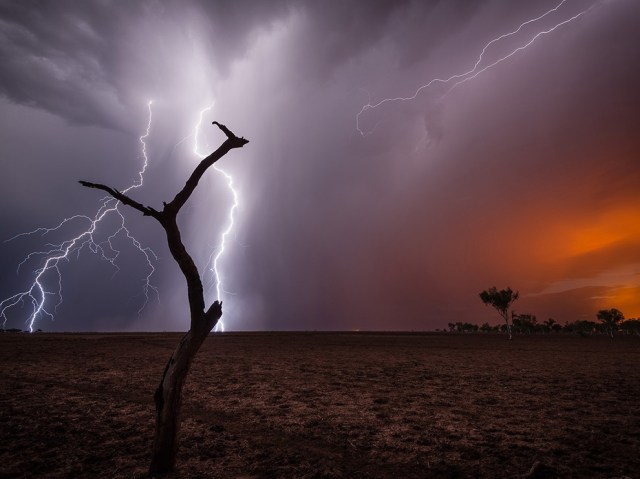
http://photography.nationalgeographic.com/photography/photo-of-the-day/lightning-bushfire-australia/

Rain would come. It would not be much, but it would come. After the crack of lightning, after the tumble of thunder, the sky would relieve itself of its extraneous water. If the wildfires did not grow too quickly, the rain would put them out.

If they had grown too quickly, and this was likely given the dryness on this particular face of the earth, the rain would not be enough. Continue reading

March 20 – The Sound of Animals Fighting – Installment #2

This story is a continuation of the story from February 10th. Catch up by reading The Sound of Animals Fighting, then read on below.


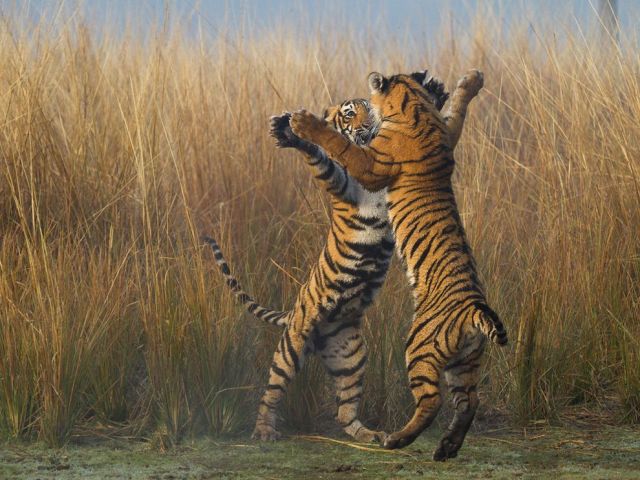
Mar 20 tiger-cubs-india_89337_990x742

http://photography.nationalgeographic.com/photography/photo-of-the-day/tiger-cubs-india/

Two hooded figures walked down a dirt road shortly after dawn. Although the term “road” was generous. In reality it was little more than a strip of grass and dirt that had been flattened underfoot. It led mostly north from the small village. A few miles away, it intersected another, equally small village. But the two hooded figures weren’t going that far. They stopped in a clearing just a few minutes after they had set out.

Two teenagers, locals wearing three-quarter length pants and no shirts, watched a pair of tiger cubs circle each other. The orange-and-black cats growled and swished their tails, all potential energy and malice. At a word from one of the teenagers, the larger of the two leapt, paws up and out. The defending tiger responded with the same move, and for a moment they appeared as mirror images of one another. If his business hadn’t been so serious, the shorter of the hooded figures would have found the reaction comical. Continue reading

March 19 – A Panda Ponders the World

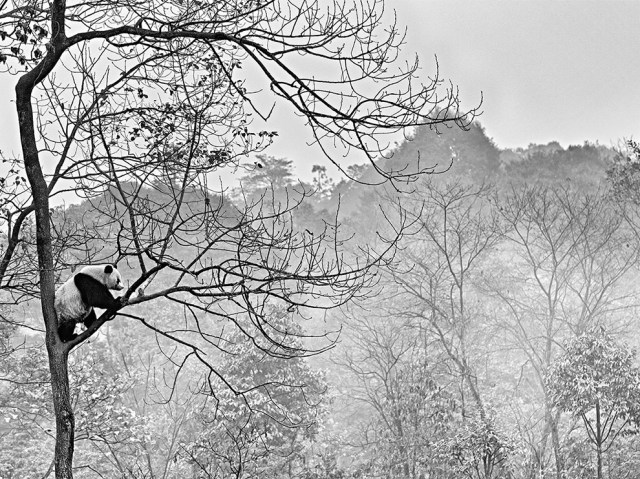
Mar 19 panda-tree-china_89334_990x742

http://photography.nationalgeographic.com/photography/photo-of-the-day/panda-tree-china/

Beyond the mist lay a whole world. Haoqi had not seen this world, of course. But he knew it existed.

As far as Haoqi knew, no panda had ever seen the world beyond the mountains. But the birds saw it all the time. And when they returned in the summer to the lush green of the peaks, they brought tales of that other world. It sounded grand. Or maybe it just sounded different. And different was, if nothing else, interesting. But only to Haoqi. Continue reading

March 18 – A (Ridiculous) Royal Proposal

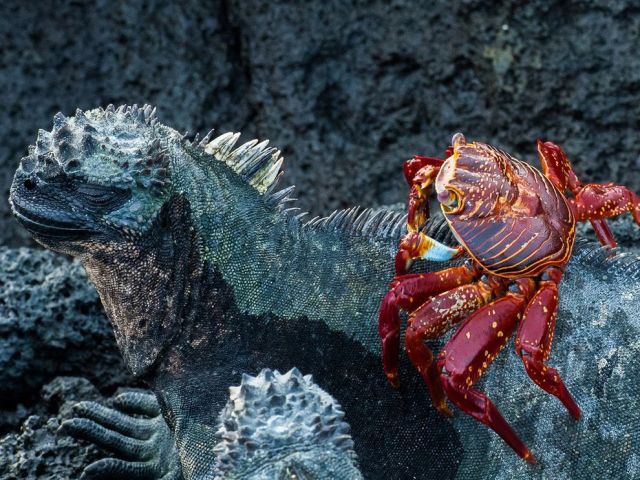
Mar 18 sally-crab-iguana-galapagos_89335_990x742

http://photography.nationalgeographic.com/photography/photo-of-the-day/sally-crab-iguana-galapagos/

Prince’s Proposal 32-6
Issued on the 10th of Galap in our heavenly year 987
For the Parliament’s consideration
On Cavalry Advancement

For twenty years, we have marched across the face of the world as conquerors.

At first, the towns of the Fat Plains cowered when we thundered in from the East. Huts burned, people scattered, and we gained endless fields of grain. We took the Fat Plains, for we were strong.

Our charge did not stop, and soon the kingdoms of the Scattered Plateaus shuddered at our very name. When we came to their walls, we met resistance so paltry as to be almost indistinguishable from acceptance. The walls fell, the people submitted, and our territory doubled. We took the Scattered Plateaus, for we were mighty.

Continue reading

March 17 – Ghost Trees

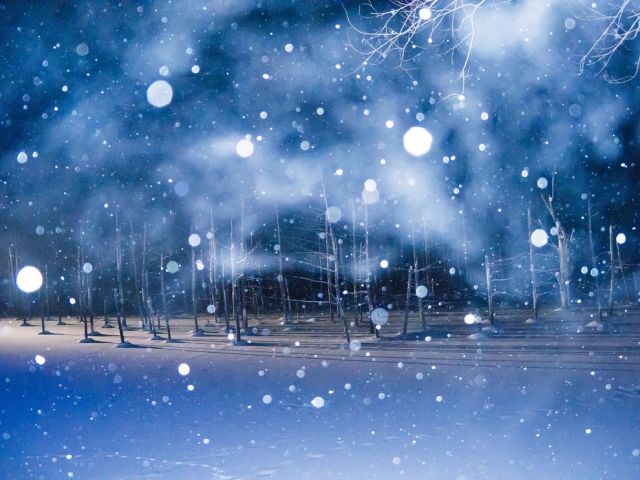
Mar 17 snow-japan-blue-pond_88868_990x742

http://photography.nationalgeographic.com/photography/photo-of-the-day/snow-japan-blue-pond/

This was the third snowstorm in two weeks. A calm, white blanket covered the Company town on the banks of the frozen ponds. In the small, comfortable homes the Company had built ten years ago, hearths roared with warming fires. Smoke rose in thin, uneven columns from chimneys that sprouted from steeply pitched roofs. Along the picturesque pond-front street, most families were just finishing up dinner. Continue reading

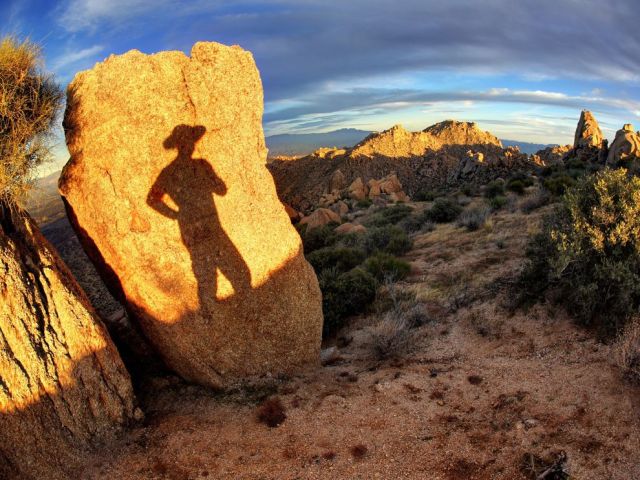
March 16 – The Shadow People

Mar 16 self-portrait-shadow-desert_88867_990x742

http://photography.nationalgeographic.com/photography/photo-of-the-day/self-portrait-shadow-desert/

They say the Shadow People are both warning and invitation. Their legend has grown in a hundred directions, each more fantastical than the last. They’re said to be ghosts that lure the unprepared to their deaths. They’re said to be benevolent, the unlucky who ended up on the wrong end of the desert and who steer toward safety those who might unwittingly follow them. Crazier still, they’re said to be alive and thoughtful and civilized, a whole community that exists on the far side of death, and the shadows we see are simple reflections of an otherwise normal people living otherwise normal lives.

Continue reading

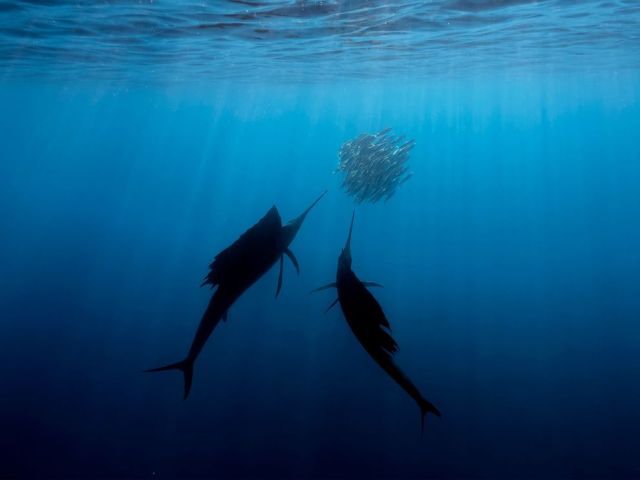
March 15 – The Twins

Mar 15 sailfish-isla-mujeres-mexico_88866_990x742

http://photography.nationalgeographic.com/photography/photo-of-the-day/sailfish-isla-mujeres-mexico/

Weak banks of fog enveloped the harbor. Up and down the wharf, the Harbormaster’s orders were barked by striped-shirted deputies. Their voices rang hollow in that strangely dull tone unique to speaking in the mist. Braziers were lit at the end of each dock. It made them look like long wooden fingers reaching into the unknown. Sailors in port, understanding fog got them off duty, filled the bars along the wharf.

In the Avalon House, a respectful crowd packed the long tables. Big mugs of crisp cider and frothy beer filled the tabletops. A guitarist played quietly in the corner, subdued versions of the classics. Among the barflies, the talk was of the upcoming sport-fishing competition. It had just been announced that morning.

Continue reading

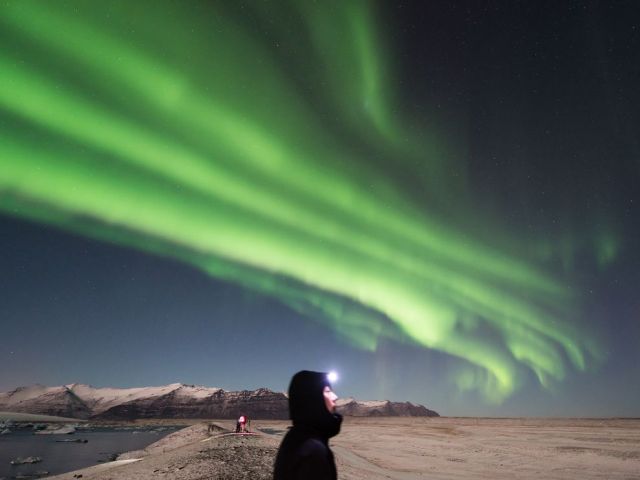
March 14 – On the Wire: At the Edge of the World

Mar 14 jokulsarlon-glacier-iceland-aurora_88862_990x742

http://photography.nationalgeographic.com/photography/photo-of-the-day/jokulsarlon-glacier-iceland-aurora/

On the Wire – At the Edge of the World
By C. Cibo
12th Drose 1342 A.A.

The Aurora Borealis has been known to humanity for as long as people have ventured above the Arctic Circle. All year, the green lights dance in the sky in their wavering, unpredictable way.

But something’s changing. Continue reading

March 13 – A Selection From DeLayon’s Guide Book

Mar 13 flamingo-aerial-flock-india_88858_990x742

http://photography.nationalgeographic.com/photography/photo-of-the-day/flamingo-aerial-flock-india/

Southern State – DeLayon’s Guide Book
Section 5: Day Trip Excursions

Flamingo Lake

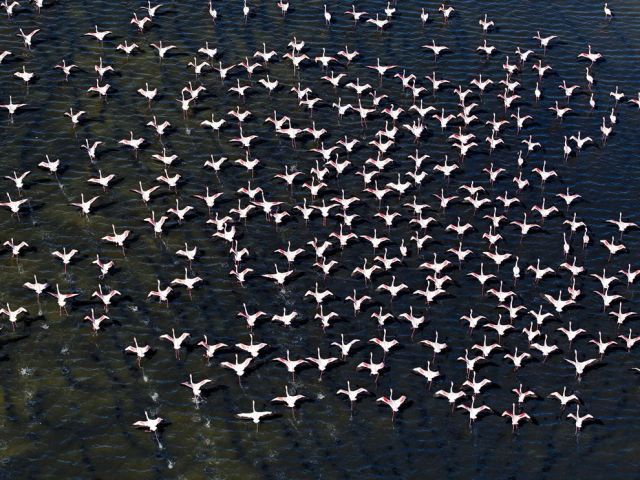
Flamingo Lake is a must-see for any traveler interested in local wildlife. Located eight miles east of the town of Bonse are huge mud flats. In the dry winter, these are barren and uninteresting. In the summer, after the storms have flooded the low-lying flats, they teem with life. Bloated rivers spill into the flatlands and create a series of shallow, warm water lakes. Tiny fish fill the multiverse of lakes and streams in this part of the country.

The enormous schools of little fish draw huge flocks of flamingos every summer. The pink birds fill the lakes and feast on the endless supply of food.

The county runs a few viewing platforms set up at an approved distance to avoid disturbing the flamingos. There’s a $5 fee to access the deck-like platforms, and binoculars are available for use with every entry purchased. It’s a nice stop for any bird lovers, but it’s only really eventful for a few days at winter’s end.

In the grassy patches between these seasonal lakes, little creatures known as Icarus Flies breed once a year before dying off. When the eggs hatch, swarms of the little vampires erupt onto the area lakes. Local birds are their sole source of sustenance. The Icarus Flies are the only animals in the world that feed on flight.

Interestingly, the Icarus Flies aren’t flies at all. In fact, they aren’t even insects. Rather, they are very small mammals closely related to bats. None are large enough to see from the viewing platforms, but they have an enormous effect on the area’s wildlife, both bird and non-bird alike.

Scientists have been studying the tiny creatures for decades, and still very little is understood about them. The beasts operate much like vampire bats, except that when they latch onto a host, it is not to suck blood. Instead, they consume the bird’s ability to fly. How they eat flight, how it’s processed into a food source, even the species evolutionary trail all remain mysteries. For the flamingos that feed here, the historical significance of the Icarus Flies is probably not of great concern.

Once the eggs hatch, the flamingoes undergo a massive exodus. They abandon each lake in droves, hop between the patches of water across a huge swath of these wetlands. Over the course of a few days, they’ll attempt local escape from the flies. When it invariably fails, the flocks take off for good to begin their flight north to their winter breeding grounds.

Other wildlife in the area comes out as the Icarus Flies drain the flight from the lanky birds. Cougars and bobcats can be seen stalking the tall grass, waiting to spot a flightless flamingo in the shallow water. They make for easy prey. These hunting cats can put on a quite a show from the viewing platforms.

Most excitingly, these seasonal lakes are home to a growing population of Red Wolves. Declared extinct in the wild decades ago, a re-introduction program in this area has been help immensely by the unfortunate avian victims of the Icarus Flies. Flamingoes stricken by the swarms provide easy kills for younger members of the packs. Adolescents gain valuable hunting experience and nutrition from the flamingos.

Off Route 17 about two miles north of the entrance to the viewing platforms is a small zoo. Caretakers here have saved a handful of flightless flamingos. There are daily talks with the zoo’s bird expert. There are two other exhibits at the small complex; one for local songbirds, the other for raptors such as osprey and red hawks. It’s a $10 admission and worth a stop for any visiting bird enthusiasts.

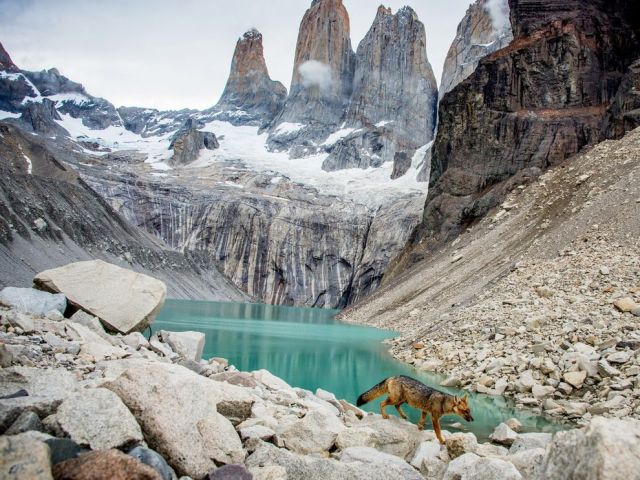
March 12 – Pending Comeuppance

Mar 12 torres-paine-chile-fox_88870_990x742

http://photography.nationalgeographic.com/photography/photo-of-the-day/torres-paine-chile-fox/

Cascades of stone tumbled down the steeply pitched slope. One or two splashed into the pristine water, startling the fox that drank nearby. Crouched low, he swung his head left and right. Ears twitching, he listened intently. Wind whistled along the rough stone, but he heard no other sound. Continue reading